
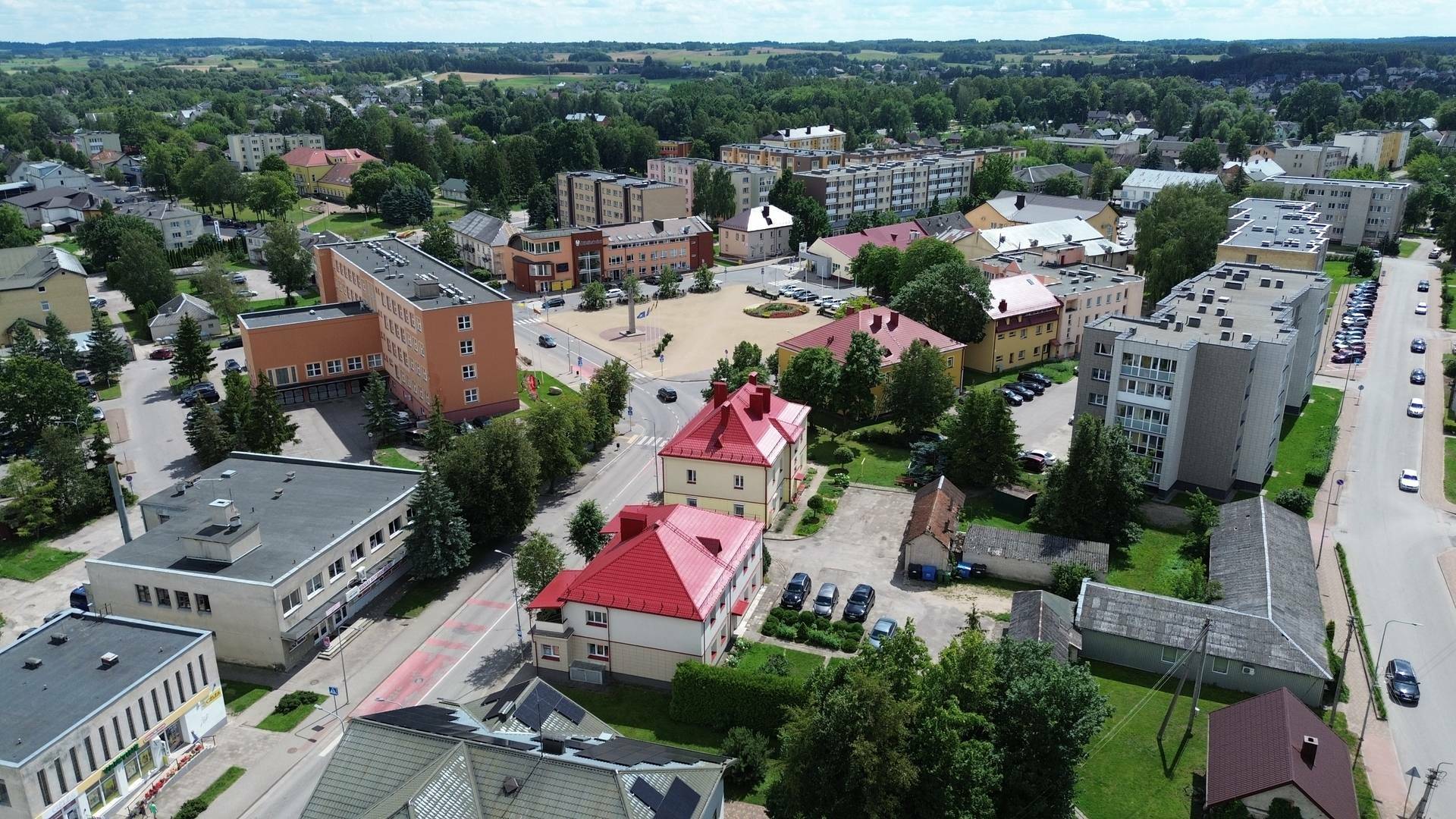
The name of the city of Lazdijai is associated with the name of the Lazdija River, on the banks of which it was founded. It is believed that people already lived in the territory of this region 4-6 thousand years ago. Since time immemorial, a Baltic tribe - the Jotvingians, related to the Lithuanians and Prussians - has settled here. The Jotvingians were engaged in arable farming, fishing, and hunting. This is evidenced by the names of areas, rivers, and lakes. In the second half of the 12th century, they were conquered and exterminated by the Teutonic Knights. During the reign of Grand Duke Sigismund Augustus of Lithuania, in 1560, a plot of land was allocated for the establishment of the city near the Lazdija River. Lazdijai was formed at the crossroads of three roads, and later expanded evenly in all directions from there. The first wooden church was built, in which a school began to operate.
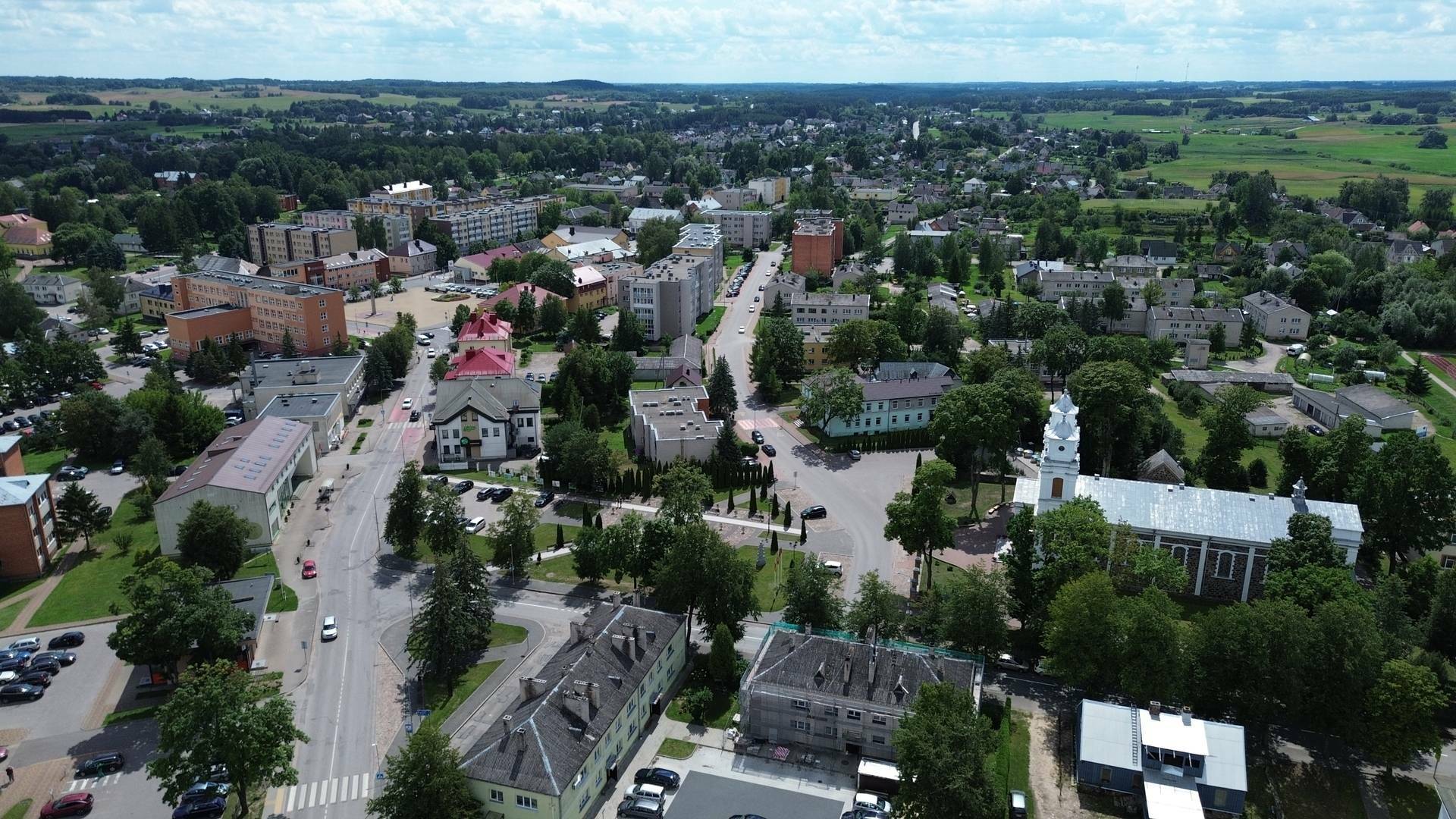
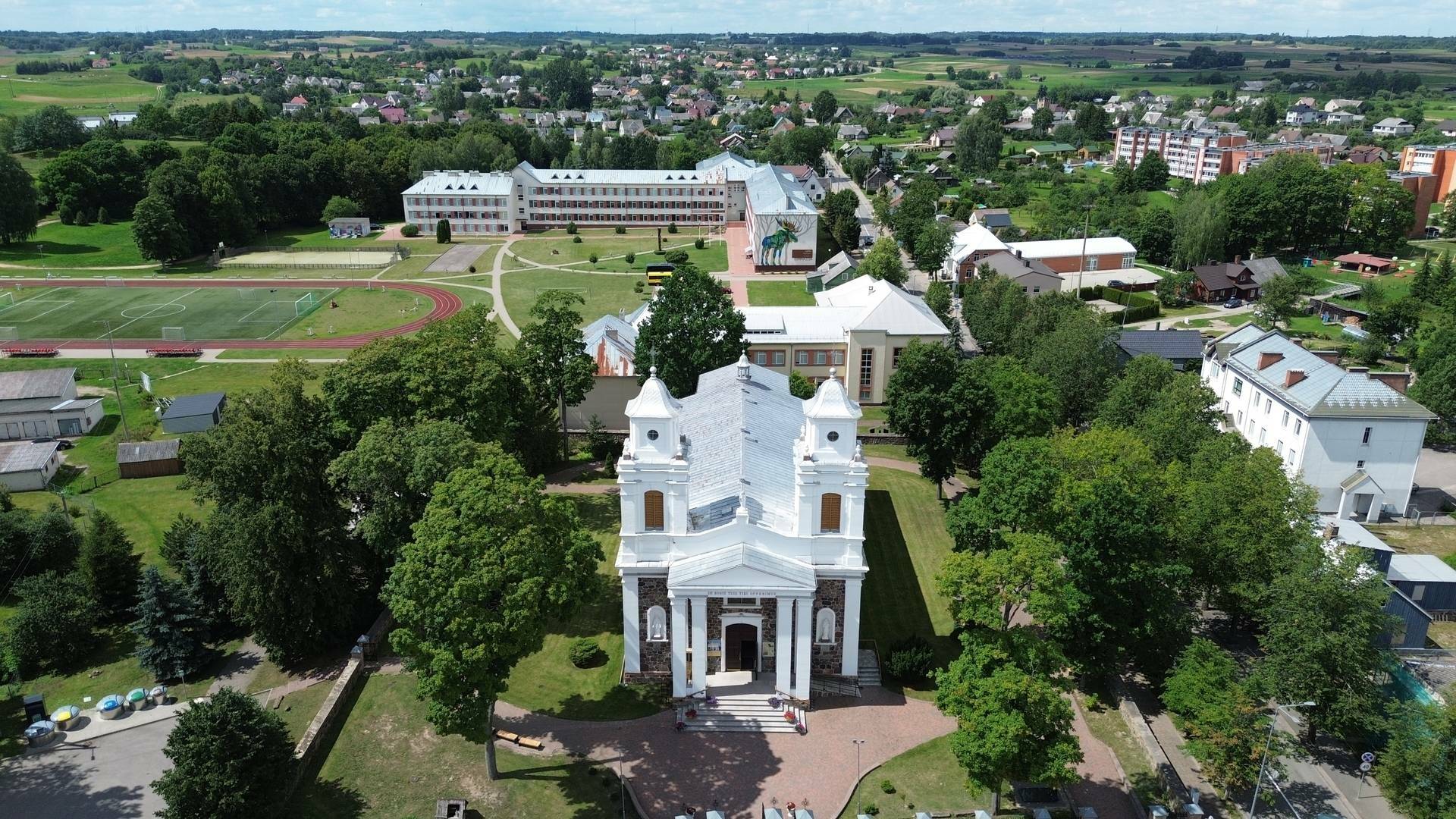
On May 17, 1597, King Sigismund Vasa granted Lazdijai Magdeburg (city) rights, market and trade privileges – this date is considered the birthday of Lazdijai. The document by which Lazdijai was granted the city privilege also includes the city seal – a coat of arms depicting a moose and three keys on a red background. In 1895, the pseudo-basilic two-towered Lazdijai St. Anne's Church (architect E. Lipskis) was built. The parish priest, dean, historian, and local historian Vaclovas Strimaitis (1905–1982) is buried in the churchyard. The Rūpintojėlis and a wooden chapel pillar, built in 1987 on the occasion of the 600th anniversary of the baptism of Lithuania, stand in the churchyard.
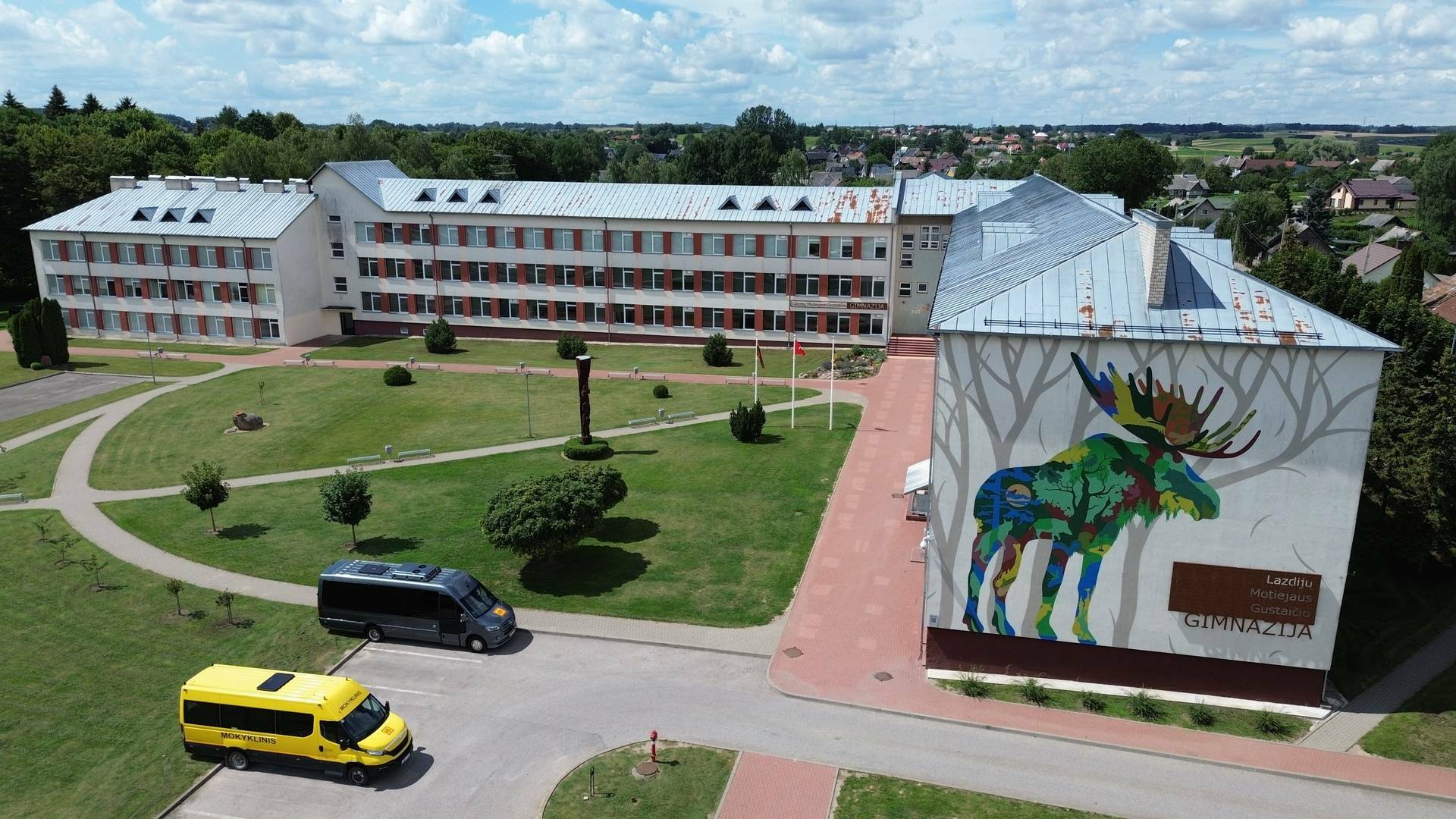
In 1919–1941, Lazdijai was the center of Sejniai County. In 1920, Sejniai “Žiburis” Gymnasium was established in Lazdijai, headed by the educator, poet, linguist, and priest Motiejus Gustaitis. The Independence Monument was built in Independence Square in 1938 (restored in 1990). Before World War II, there were two large brick synagogues standing next to each other, which were severely damaged by air raids on June 22, 1941. In the 1950s, the buildings were rebuilt and combined into one, which housed a cultural center and a public library. Currently, the building has been renamed the Lazdijai Cultural Center.
During World War II, about 60 percent of the buildings in Lazdijai were destroyed. The center was particularly affected. During the Nazi occupation, on November 3, 1941, 1,535 Jews from the city and surrounding areas were murdered in Katkiškės near Lazdijai. Since 1950, Lazdijai has been the district center, a residential block, a department store, and a cafe were built. Later, Lazdijai Hospital, a primary health care center, a nursing home, a meteorological station, the Lazdijai District Courthouse, and the Lazdijai Police Commissariat were built. Since the declaration of Lithuania's independence, Lazdijai has become an important border town - the first bridge to Europe.
In 1994, the coat of arms was restored and since then it has again become a symbol not only of the city, but also of the entire district municipality, the administrative center of which is Lazdijai. In 1995, the Lazdijai Regional Museum and its departments were established. On March 11, 2017, a monument to Adolfas Ramanauskas-Vanagas was unveiled in Lazdijai on the square named after him, in the very center of the city, in front of the Lazdijai St. Anne's Church. The monument was created by sculptor Jonas Jagėla.
.png)
Information from the Lazdijai District Municipality page
Reviews