
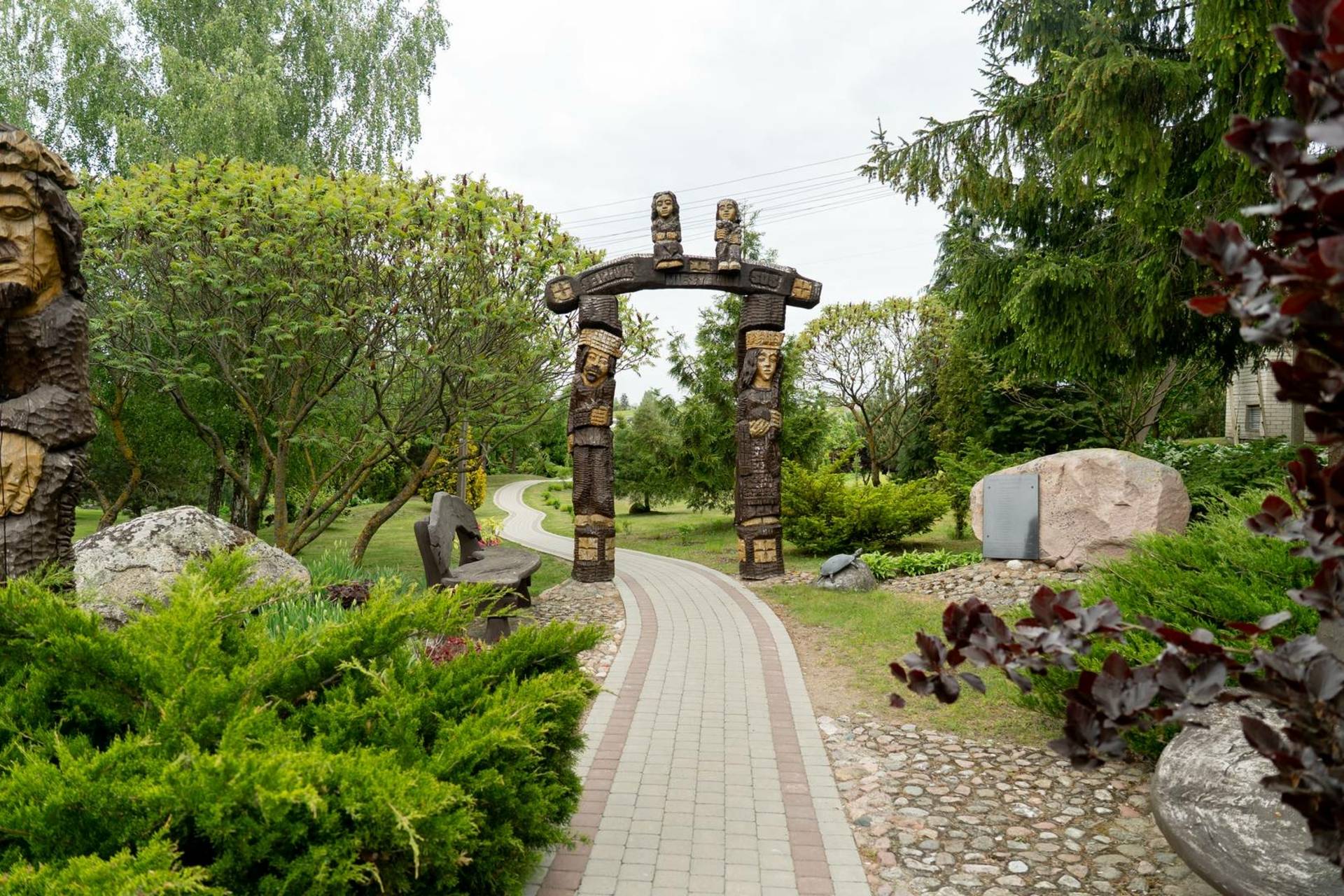
Seirijai is a town in the territory of Lazdijai district municipality, 19 km east of Lazdijai.
The town is located on the eastern edge of the Sūduva Upland, in the very hilly Šventežeris–Seirijai ridge.
The Seiriya area was inhabited in prehistoric times (this is evidenced by the surviving mounds). At the beginning of the 16th century, Bogdan Sapiega received a plot of land on the southern shore of Lake Seiriya from the ruler of the Grand Duchy of Lithuania, Sigismund the Elder, and founded the Seiriya manor (later called Sapiegiškės).
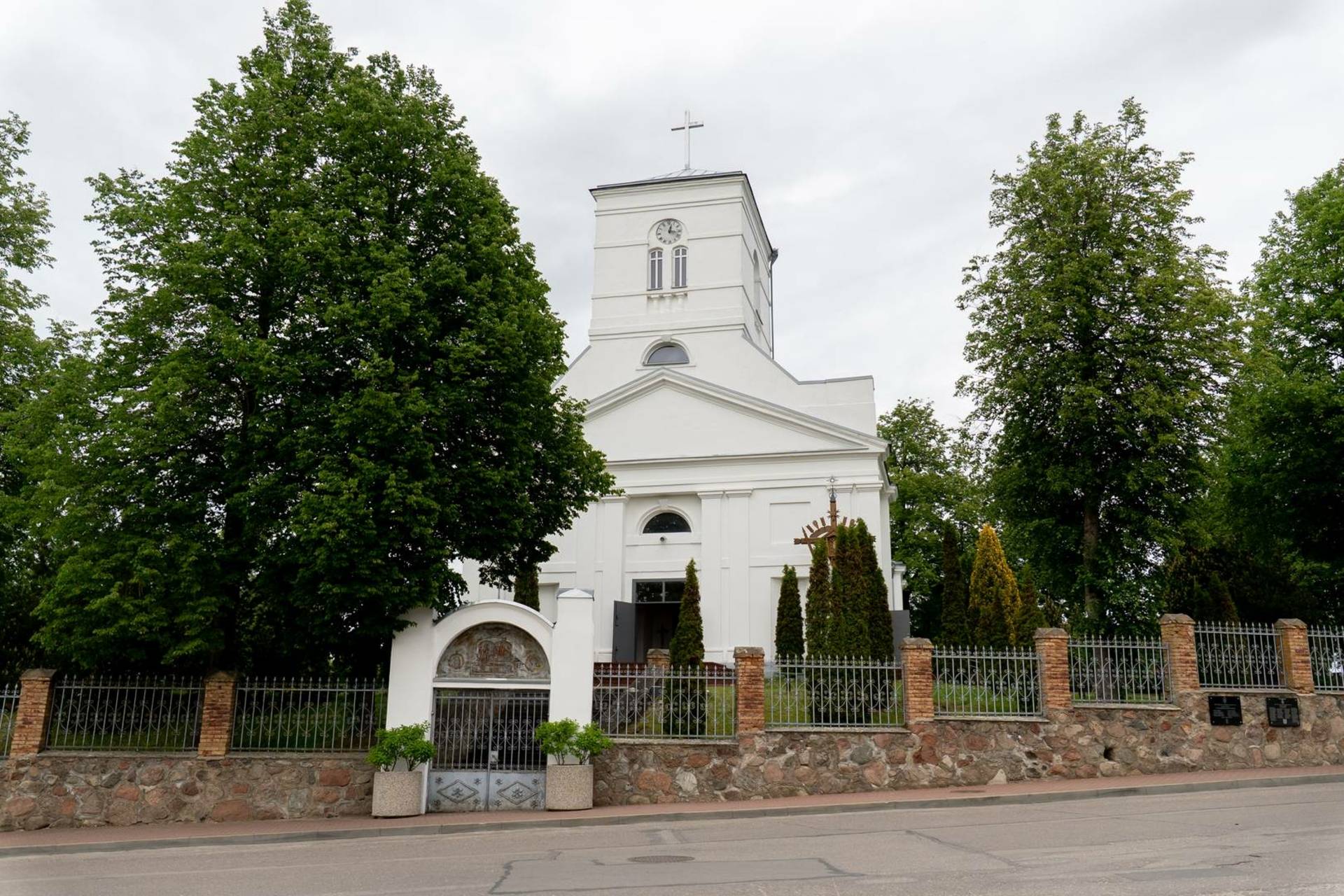
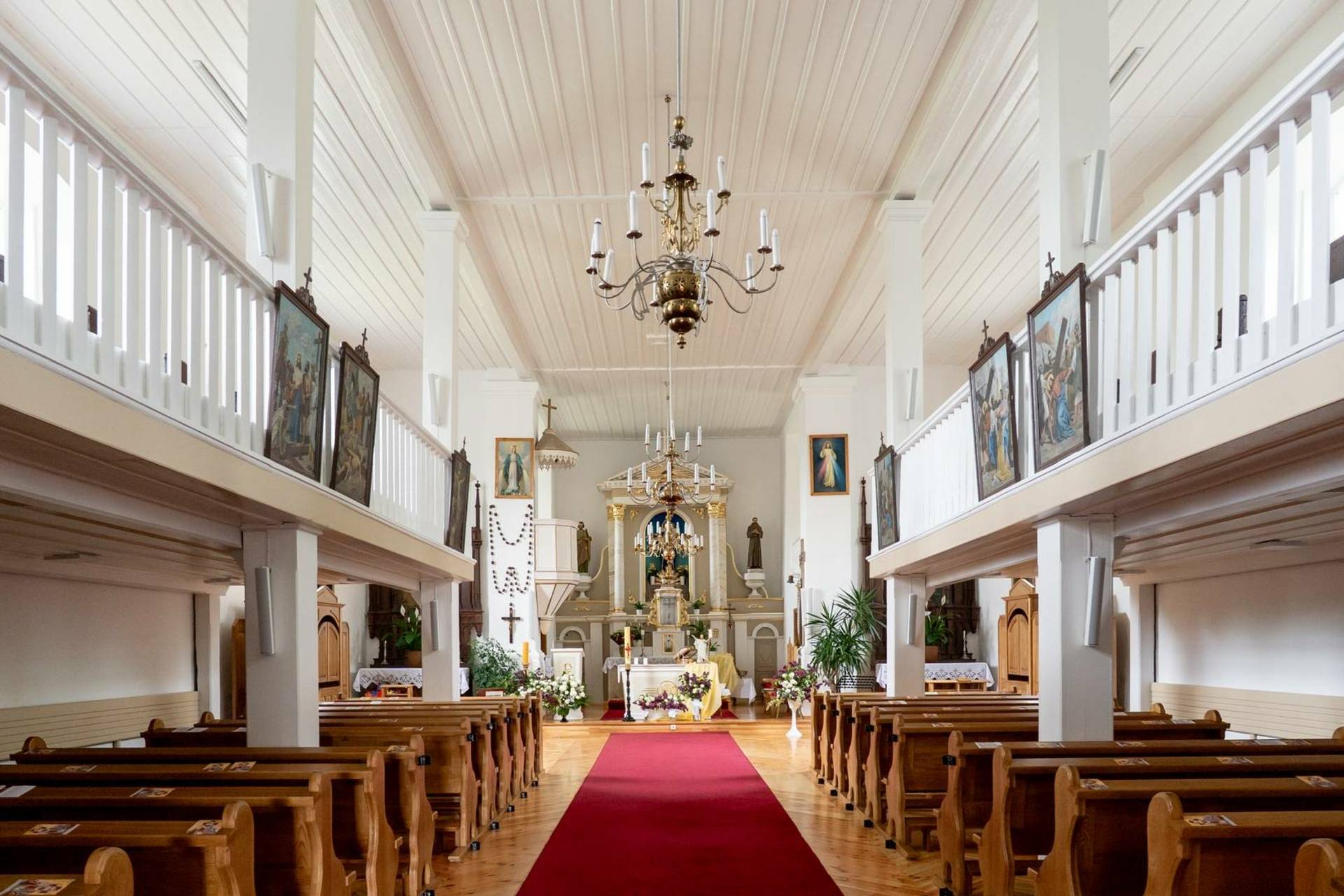
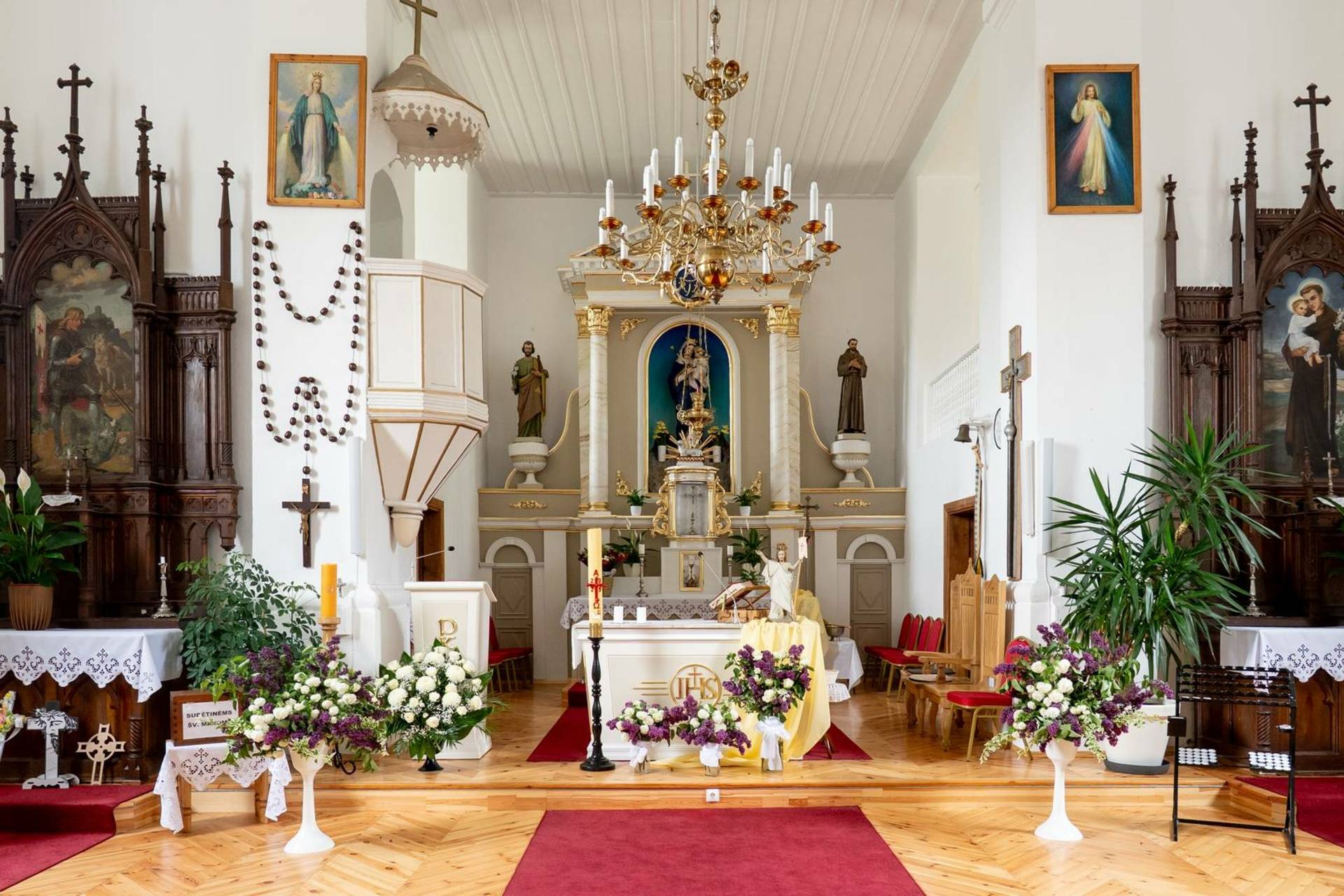
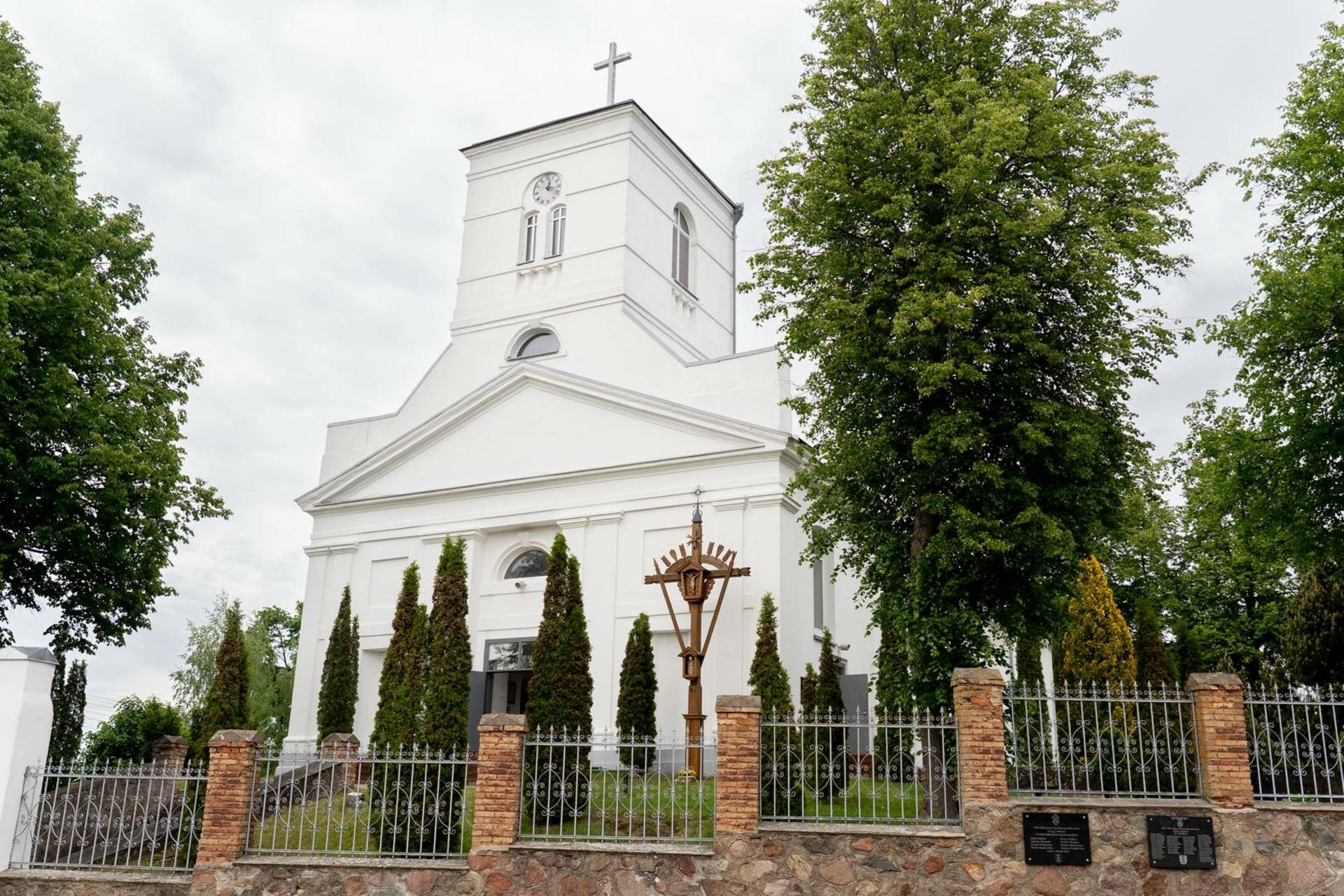
In the 17th century, the manor was taken over by the Radziwills. George Radziwill founded the Seirijui Manor north of Lake Seiriju. The town began to expand near it. A Catholic church was built in 1537, and an Evangelical Reformed church in 1584. During the Polish-Lithuanian War (1654–67), the Seirijui Manor and half of the town were burned down by the Russian army. In 1671, Seirijui was granted city rights (abolished in 1869). In 1688, the Warsaw Sejm recognized Seirijui as the hereditary property of the Prussian electors. German craftsmen were sent to the Seirijui estates. During the Northern War of 1700–21, famine and plague broke out in 1710. A synagogue was built in 1726. A parish school operated from 1777. After the division of the Polish-Lithuanian Commonwealth in 1795, Seirya fell to the Kingdom of Prussia, and the Seirya Economy was established in 1797.
A weaving factory was established at the beginning of the 19th century. In 1815 it was transferred to Russia. In 1830 the paving of the streets began. In 1856 serfdom was abolished in the Seiriyai Manor. During the 1863–1864 uprising, a group of P. Suzinas rebels operated in the vicinity. Pastor S. Strimavičius and vicar K. Jankaitis were accused of meeting the rebels with a procession. In 1867 the Tsar gave the Seiriyai Manor to General Suchozanet. From 1869 to 1950 Seiriya was the center of the parish. In 1907, a branch of the Žiburis Society was established, later its library-reading room, a shelter for the elderly, and adult training courses were established. In 1909–14, a branch of the Temperance Society operated.
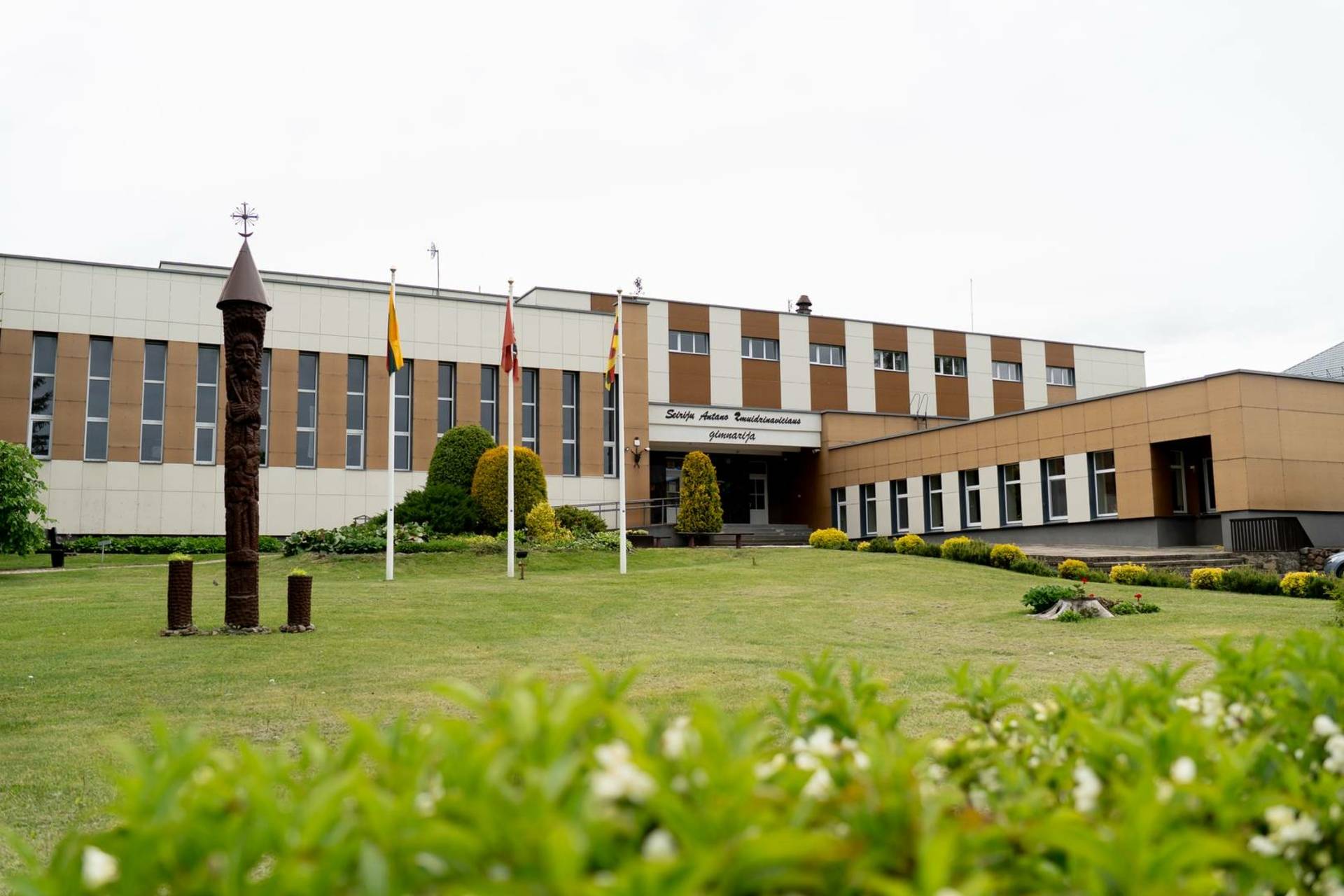
In the 1930s and 1940s, an agricultural machinery factory, a woodworking company, 3 mills, 2 carding mills, and a spinning mill operated there. A rifle squad was formed in 1919. In the second half of 1941, by order of the Nazi German occupation authorities, their Jews were killed in the Baraučiškė forest near Seirijai. After World War II, the Seirijai battalion of the Šarūnas detachment of Lithuanian partisans operated in the area. The Soviet authorities deported 57 residents of Seirijai. During the years of the USSR occupation, Seirijai was the center of the area and the central settlement of the collective farm. The coat of arms of Seirijai was approved in 2003. The painter A. Žmuidzinavičius was born in Seirijai in 1876.
Information from the Universal Lithuanian Encyclopedia page.
Reviews