
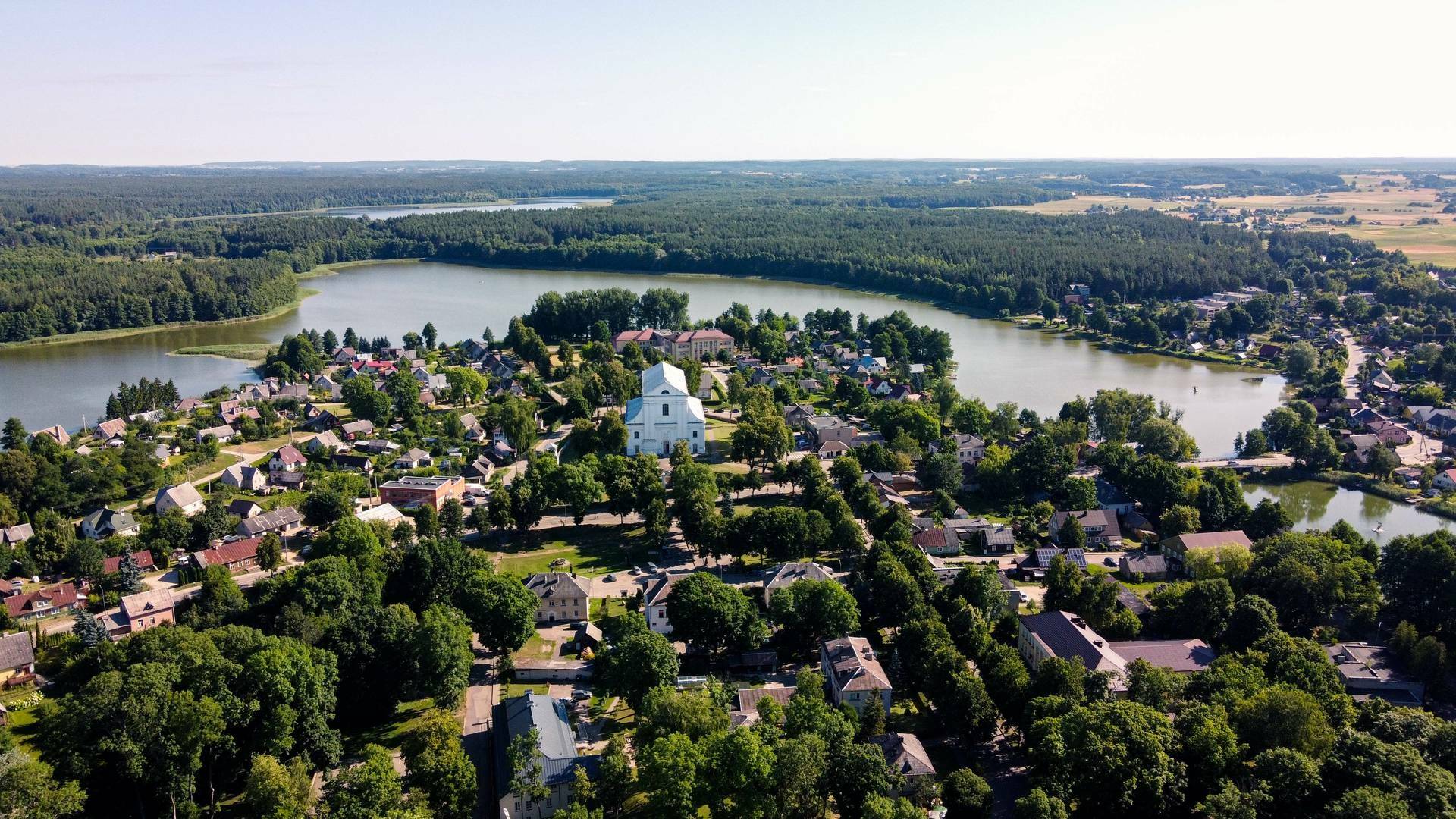
Veisiejai is a town in southern Lithuania, in the territory of Lazdijai District Municipality, southeast of Lazdijai; the parish center of Veisiejai City, Veisiejai Eldership.
Veisiejai is located between Ančia and Veisiejai lakes. The town is located in Veisiejai Regional Park (the regional park directorate is located in the town). St. George's Church. Post office, polyclinic, gymnasium, branch of the Lazdijai Art School, kindergarten, culture house, library. Regional Museum (founded in 1998).
The city has a linear plan. The old part was formed by the end of the 19th century, in the center there are elements of the second half of the 16th century, Baroque and Classicist plan. There is a quadrangular square between the church and the former manor farmstead. The square and streets are rich in greenery. The old part is dominated by 1-2-storey buildings from the end of the 19th century–20th century, there are also 2-3-storey typical buildings from the second half of the 20th century. St. St. George's Church (1817; has neo-baroque and neo-classical features) contains a valuable sculpture of the Crucified (19th century), 14 Stations of the Cross (1850), paintings (including Michael the Archangel, late 18th century, classicist Matthew the Evangelist, first half of 19th century, Transfiguration, copy of an Italian painting, 1864, artist P. Švalinskis), and a brass bell (cast in 1650).
The Veisiejai area was mentioned in the 13th century, a manor in 1501. In 1525 it received a market privilege. A church was built around 1525. A town was established in the first half of the 16th century. It suffered during the Northern War of 1700–21. Jews began to settle in the first half of the 18th century, the first synagogue was built in 1748. In 1774 there were 49 families. In 1777 a parish school was established, in 1870 a state school, in 1917 a Lithuanian school. In 1872, 1877, 1894, 1924, and 1929 the town burned down. In the 19th century–1950 Veisiejai was the centre of the parish. In 1907 the Žiburis Society was established, in 1910 the Temperance Society, in 1922 the Spring Workers' Department and choir (leader J. Neimontas). After Lithuania was restored as a state (1918), a small credit society, a cooperative, a mill, and in 1921–30 a junior high school (moved to Leipalingis) operated.
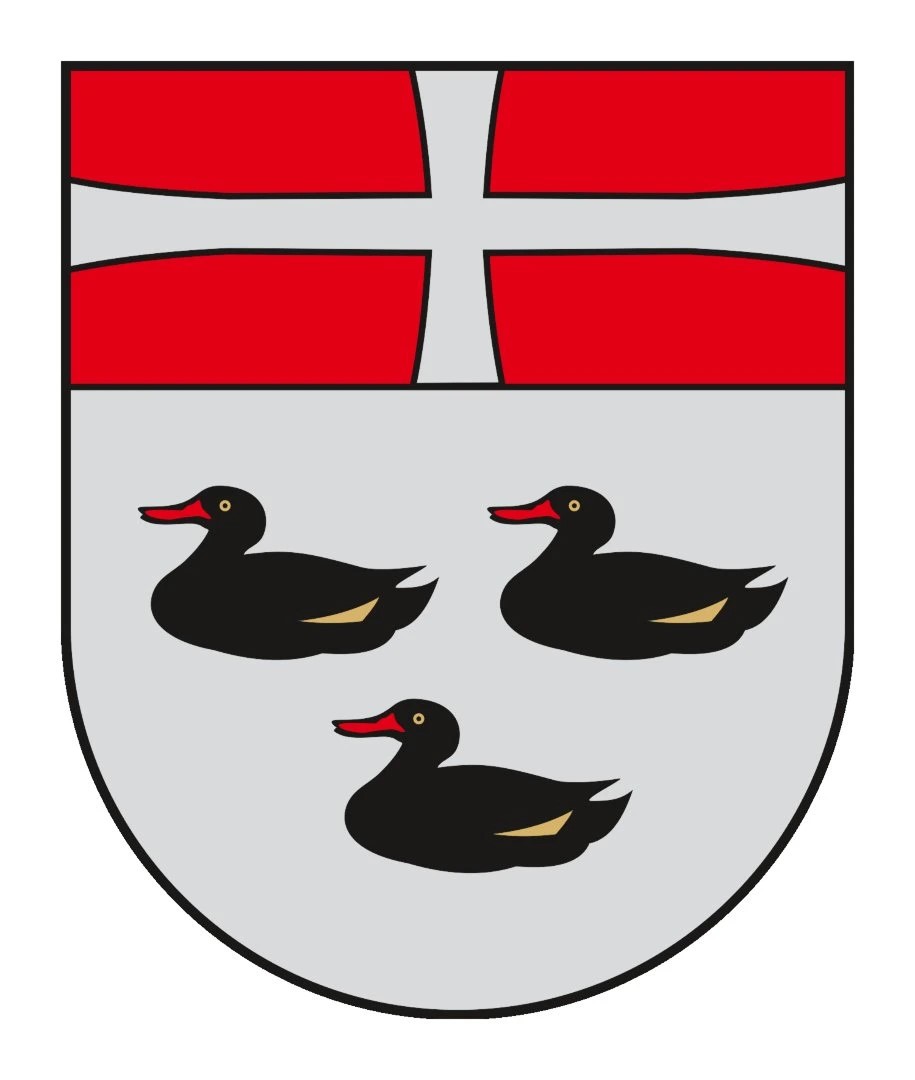
1941 11 03 In Katkiškės (near Lazdijai), the Jews of Veisiejai were shot by order of the Nazi German occupation authorities. In 1941–51, 43 residents of the town were deported. In 1945–51, partisans of the Šarūnas detachment operated in the vicinity. In 1950–59, Veisiejai was the center of the district, later of the district. In 1956, it received city rights. In 2000, the coat of arms of Veisiejai was approved.
Information from the Universal Lithuanian Encyclopedia page

Reviews